
Chronic pain and menopause: why midlife aches deserve more attention
For International Menopause Day 2026, the International Menopause Society has chosen chronic pain as its theme, highlighting the need to better understand how hormonal changes, musculoskeletal health, the nervous system and broader life circumstances can influence women’s experience of pain.
Aching joints, persistent back pain, recurring migraines, sore muscles or pelvic discomfort can become increasingly familiar during midlife. For some women, these symptoms appear alongside changes in their menstrual cycle, sleep, mood and energy levels. For others, pain that has been present for years becomes more difficult to manage during perimenopause or after menopause.
Yet the connection between menopause and chronic pain is complex, and it is not always recognised in healthcare.
The message is an important one: persistent pain during midlife should not simply be dismissed as an inevitable part of ageing or something women must learn to live with. Understanding the possible contributors is an important step towards finding the right support and treatment.
How common is chronic pain at midlife?
Chronic pain is generally defined as pain that persists or recurs for more than three months. It can affect mobility, sleep, concentration, mood, relationships and the ability to participate in everyday activities.
Women are more likely than men to experience many chronic pain conditions, and midlife can be a particularly challenging period. Musculoskeletal pain is particularly common during the menopausal transition, with studies reporting high rates of joint and muscle discomfort among perimenopausal women.
The experience varies considerably. Some women notice new aches and stiffness; others have established conditions that become more troublesome. Common concerns include:
- Musculoskeletal pain: aches and stiffness affecting the joints, muscles, back and shoulders, sometimes accompanied by reduced strength or mobility.
- Migraine and headaches: hormonal fluctuations can influence migraine patterns, making symptoms more difficult to predict or manage for some women.
- Chronic pelvic pain: pain associated with conditions such as endometriosis, vulvodynia, bladder pain syndrome or pelvic floor dysfunction.
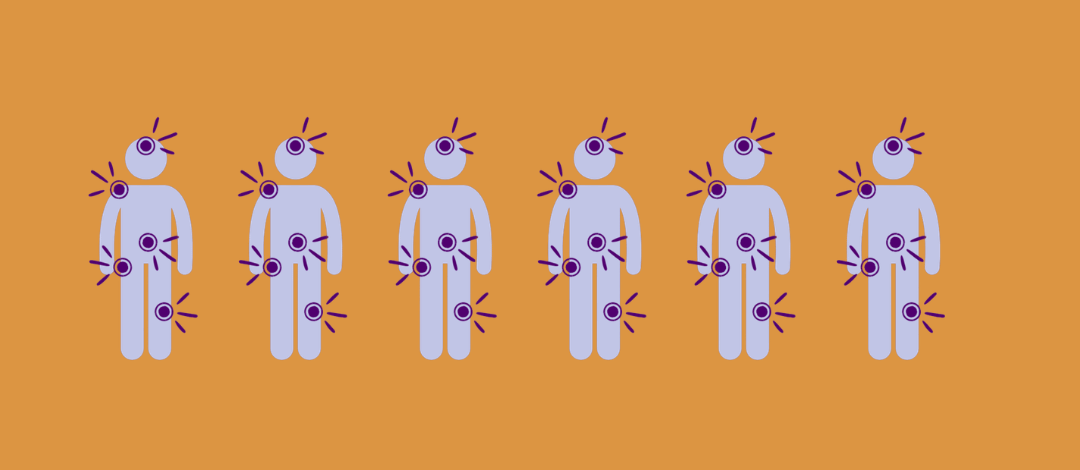
- Widespread pain and fibromyalgia: persistent pain affecting multiple areas of the body, often accompanied by fatigue, disrupted sleep and heightened sensitivity.
These conditions are not exclusive to menopause, and their presence does not automatically mean that hormonal changes are responsible. However, the menopausal transition may influence how symptoms develop, how severe they feel and how well they respond to treatment.
What does menopause have to do with pain?
Oestrogen influences much more than reproductive health. It interacts with bone and muscle function, inflammatory pathways and the nervous system, including mechanisms involved in how pain signals are processed.
During perimenopause, oestrogen levels fluctuate; after menopause, they remain lower. These changes may contribute to pain for some women, but the relationship is not straightforward. Oestrogen can have different effects on pain pathways, and research is still developing.
Other changes associated with midlife may contribute to the overall picture. Muscle strength and mass can decline with age, joint conditions may become more apparent, and previous injuries or years of physical demands can begin to take their toll.
Chronic pain is also influenced by the way the nervous system processes pain signals. In some conditions, the nervous system becomes more sensitive, amplifying signals so that pain persists even after an original injury has healed. This does not mean the pain is imagined. It reflects the complex interaction between the body, the nervous system and the experience of pain.
Pain is real, even when its cause is not immediately obvious. A thorough assessment is important to distinguish between conditions that may require specific treatment and symptoms that could be influenced by several overlapping factors.
Chronic pelvic pain, pelvic floor health and sexuality
Pelvic pain deserves particular attention during midlife because it can affect not only physical comfort but also sexual wellbeing, intimacy and relationships.
Chronic pelvic pain may be associated with conditions such as endometriosis, vulvodynia, bladder pain syndrome or changes in pelvic floor muscle function. Some women experience pain at the vaginal opening, while others feel deeper pelvic pain during or after sexual activity. Pain may also occur with sitting, urination or bowel movements.
One possible contributor is pelvic floor hypertonia, in which the muscles of the pelvic floor remain excessively tense or have difficulty relaxing and coordinating properly. These muscles support the pelvic organs and play an important role in bladder, bowel and sexual function.
When they are persistently tight or overactive, they can become painful and tender. This may contribute to pain with penetration, difficulty inserting tampons, a sensation of pelvic pressure, urinary urgency or discomfort with bowel movements. Pelvic floor hypertonia can occur alongside other causes of pelvic pain, rather than being the sole explanation.
Menopause can add another layer. Declining oestrogen levels may contribute to genitourinary syndrome of menopause (GSM), which can cause vaginal dryness, reduced lubrication, burning, irritation and discomfort during sex. When vaginal tissues are more sensitive, sexual activity may become painful. Anticipating pain can then lead to involuntary pelvic floor tightening, potentially reinforcing the cycle of discomfort.
The impact on sexuality can extend beyond physical symptoms. Women may experience reduced desire, anxiety about intimacy, frustration or a sense of disconnection from their partner. Some avoid sexual activity because they expect it to hurt. These responses are understandable, but women should not feel that painful sex is an inevitable part of ageing or something they must endure.
Treatment depends on the cause. For GSM, options may include vaginal moisturisers and lubricants, as well as local vaginal oestrogen or other prescribed treatments where appropriate. Pelvic floor physiotherapy can help women with an overactive pelvic floor learn to relax and coordinate these muscles, reduce muscle-related pain and gradually restore comfortable function.
Importantly, pelvic floor hypertonia does not necessarily call for more pelvic floor strengthening. Repeated Kegel exercises may aggravate symptoms in some women. Assessment by a pelvic health physiotherapist can help determine whether relaxation, coordination, strengthening or a combination is appropriate.
Persistent pelvic pain or pain during sex warrants assessment by a GP or relevant specialist. It should not automatically be attributed to menopause, and several contributing conditions may need to be addressed.
The ripple effect: sleep, mood and everyday life
Pain rarely exists in isolation. Menopausal symptoms such as night sweats, hot flushes and sleep disruption can make it harder to recover physically and cope with discomfort during the day. Fatigue may reduce activity, while persistent pain can make sleep more difficult, creating a cycle that is challenging to break.
Mood and stress also matter. Anxiety, low mood and ongoing life pressures can influence pain processing, just as persistent pain can affect emotional wellbeing. These relationships are bidirectional; they do not mean that pain is caused by a person’s emotional state.
This is one reason a single treatment may not be enough. Addressing sleep, menopausal symptoms, physical function and emotional wellbeing alongside the underlying pain condition may provide a more effective approach.
What can help manage chronic pain?
There is no single solution for chronic pain at midlife. Treatment depends on the type of pain, its likely causes, its effect on daily life and each woman’s medical history and preferences.
A personalised approach may include:
- Movement and physical activity: appropriately tailored strength training, aerobic activity, mobility work and physiotherapy can help maintain muscle strength, joint function and confidence with movement. Starting gradually and adapting activity to symptoms is often more helpful than either pushing through significant pain or avoiding movement altogether.
- Sleep and recovery: managing night sweats and other symptoms that interrupt sleep may improve daytime energy and the ability to participate in rehabilitation.
- Psychological support and pain education: approaches such as cognitive behavioural therapy can help women understand persistent pain, develop coping strategies and address fear or avoidance.
- Condition-specific medical care: treatment may include medication, physiotherapy, specialist pain services or targeted interventions, depending on the diagnosis.
Nutrition, social support and other healthy lifestyle habits can complement these approaches, but should not replace appropriate medical assessment and treatment.
Does menopause hormone therapy help with pain?
Because oestrogen influences musculoskeletal tissues and pain-processing pathways, there is interest in whether menopause hormone therapy (MHT) can improve pain during the menopausal transition.
Some women report improvements in aches and joint discomfort when their menopausal symptoms are treated. However, the evidence is mixed, and MHT should not be regarded as a universal treatment for chronic pain.
MHT is an established treatment for troublesome menopausal symptoms, including hot flushes and night sweats, when appropriate. Whether it is suitable depends on an individual’s symptoms, health history, risks and preferences.
For women experiencing pain alongside other menopausal symptoms, discussing MHT with a doctor may be worthwhile. However, persistent pain needs its own assessment, and treatment should address the underlying condition rather than relying on hormonal therapy alone.
A better conversation about pain at midlife
Chronic pain is common, but it is not something women should simply accept. Menopause may coincide with changes in pain, yet it does not explain every ache or make persistent discomfort inevitable.
If pain is affecting your sleep, exercise, work, relationships or everyday activities, speak with your GP or treating clinician. Make a note of where the pain occurs, when it started, what makes it better or worse, and whether it is associated with other symptoms or changes in your menstrual cycle.
The aim is to understand what may be contributing, identify appropriate treatments and protect your ability to remain active and engaged in everyday life.
Pain deserves to be taken seriously at every stage of life. With the right assessment and a personalised management plan, there may be more options to explore than you realise.
This information is for general educational purposes only and does not constitute medical advice. Please see your health professional for advice that is personalised to you.
Key Take Aways
Chronic pain has multiple contributing factors
Standard treatments, MHT, healthy living , paced activity, education, breathing and other stress reduction techniques may all help.